2026 Artificial Reality
In the first my articles on culture in 2026 I explore the risks of improving AI image and video tools.

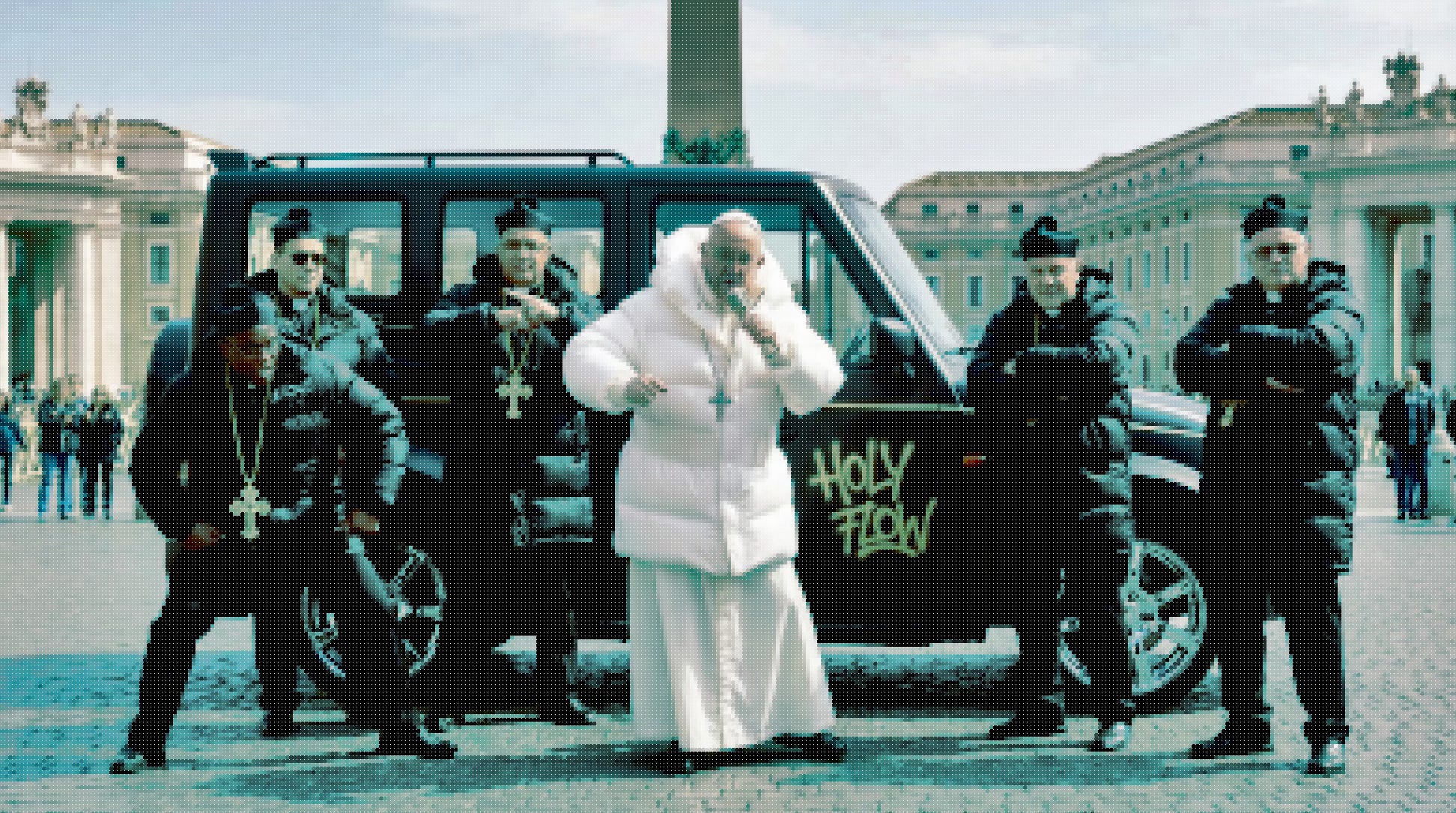
In late March 2023 many people, including myself, were briefly fooled. Scrolling through our feeds we spotted, evaluated and in some cases responded to a quirky but oddly plausible image of Pope Francis in an expansive white puffer jacket. In the years since many (but not all) of us have become savvy to the telltale features of AI images, and so fears about our already fragile shared reality crumbling around us have been assuaged.
But of course, the speed of our technologies means that this reassurance was never going to last and three years on from that memorable image going viral it may soon become impossible to distinguish the real from the false. And what is even more concerning is that eventually this dichotomy may not even matter.
Given the speed of development of AI image and video generation and editing tools, 2026 will be the year that we begin to see widespread failure in discernment between the real and the generated. Furthermore, while visual trickery is nothing new, these tools allow anyone to create at an unprecedented speed and scale.
From the rise of social media and the resulting context collapse we discovered that structures of thought and behaviour can change fast, so the likelihood is that we’ll see a rapid shift in how we evaluate and respond to images and video in the coming years - and as with social media, the impact on our cultural and political landscape will be immense.
The real risk here is that the most impactful long-term shift in behaviour won’t be that we cannot discern the real from the AI generated or manipulated, but that we just no longer care about that distinction. This will be beyond post-truth, as truth itself might eventually no longer be a requirement or even a concept- replaced instead by a need for entertainment or emotional stimulus.
This isn’t inevitable, we can learn and educate others to be more discerning when scrolling through our feeds, and our governments can introduce policies which require AI tools and social platforms to indicate what is false and what is real. The question is whether, in this instance, public awareness and politics can move faster than technology.